Project documentation, coordinated delivery and commissioning support
Project Support

Philips project support connects selection to handover

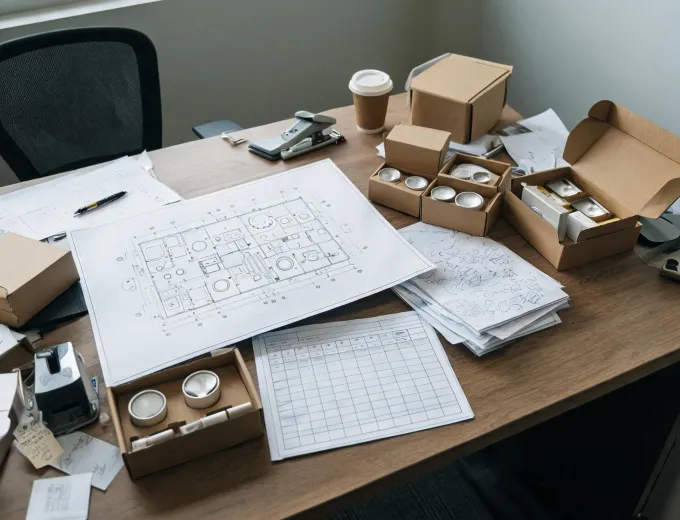
A lighting package is easier to release when inputs, evidence, responsibilities and dates remain visible. Philips organizes product review, samples, delivery interfaces, commissioning inputs and warranty routing around the next project gate.

Build a support brief
Uncoordinated lighting documents before project review
Before: disconnected product and interface records
Coordinated Philips lighting project review
After: one review path tied to project gates
Readiness model

Test the support load before release

This planning model does not calculate a commercial result. It shows how four inputs change the evidence and coordination required before a lighting package advances.

Evidence checklist

  1. Optical basisLuminous flux, candela distribution, beam angle, CCT, CRI and UGR context.
  2. Physical interfaceMounting, ceiling access, driver location and environmental rating.
  3. Controls responsibilityProtocol, zones, addressing, sensor intent and commissioning owner.
  4. Release recordApproved models, substitutions, quantities, dates and handover documents.

High lm/W can reduce connected load, but the project still has to review visual comfort and distribution. Centralized controls simplify common policy; distributed zones can improve local flexibility and fault isolation. The appropriate choice depends on the operating brief.

Typical support scenarios

Different project gates need different evidence

01 · Office fit-out

Resolve glare and controls before ceiling coordination

Background: repeated work areas, presentation rooms and daylight zones create different visual tasks. Process: compare distribution, UGR context, CCT and DALI-2 zoning against the reflected ceiling plan. Outcome: the submittal identifies the approved optical basis and commissioning responsibilities without treating a fixture schedule as the whole design.

02 · Retail refresh

Protect aiming flexibility during substitution review

Background: merchandise and display layouts change while ceiling infrastructure remains. Process: document beam angle, vertical illuminance intent, CRI and track compatibility before comparing alternatives. Outcome: procurement receives a reviewable equivalency boundary instead of relying on wattage or total lumens alone.

03 · Existing installation

Separate service routing from new-project selection

Background: a facilities team reports uneven output and uncertain driver history. Process: record visible model references, installation date, ambient conditions and control behavior. Outcome: warranty, replacement and redesign questions follow distinct evidence paths, reducing avoidable site visits and unsupported assumptions.

Next project gate

Map Philips support to the open decision

State whether the project is at concept, technical approval, procurement, installation or handover. Include the application, controls basis and evidence the evaluator expects.

  • IES/LDT availability depends on the selected model.
  • UL, CE and RoHS applicability must be checked by product and market.
  • Final suitability remains subject to project-specific professional review.